
The Degree Inflation Trap: Why 4-Year Courses No Longer Guarantee a Job

A college degree used to come with a guarantee of employment.
That is no longer the reality.
Today’s graduate unemployment in India is a different story altogether.
Although unemployment is around 3-5%, the situation is worse among graduates.
Graduate unemployment in India is at 11.2% — three times the national average. Forbes India
40% graduates aged 15-25 are unemployed. (Economic Times)
The gap is alarming and points to a deeper problem.
Education is high, but employability is not.
Experts call this the degree inflation trap.
Because degrees are losing power to secure jobs.
We explore this problem, its reasons, and what could solve them.
Degree Inflation: What Is It?
Degree inflation points to higher qualifications becoming the minimum qualification for jobs that earlier needed less education.
Previously:
A class 12 or a diploma would get you entry-level jobs.
Now:
A bachelor’s degree is the minimum qualification.
But when all have minimum qualification, it is no longer a differentiator.
Employers expect more. They want skills, certification, and real job experience.
A degree now is just broad filtering.
There’s no guarantee of jobs after a degree in India.
Reality of Graduate Unemployment in India

The data might be uncomfortable, but it's the reality.
Youth unemployment (15-29): declined to 9.9% in 2025.
Graduate unemployment in India: 11.2% in 2025.
Almost ⅔ rd of the unemployed youth have a graduation degree. (Business Standard)
13% of the graduates are unemployed.
What is more, even more concerning is:
> Only a few of the graduates secure stable paid jobs in the first year (after graduation).
> More than 50% of graduates are in low-skill job roles.
It creates an inconsistency.
The more educated you are, the harder it gets to find a well-paying quality job.
Without the right jobs after a degree in India, they look for opportunities elsewhere.
Degree-to-Job Disconnect
Unemployment is not the only problem. The mismatch is also alarming.
India creates millions of graduates every year, but job creation has not kept up.
From 2004 to 2023, graduate numbers increased, but employment opportunities didn’t show the same growth rate. (The Times of India)
The question is – where does the gap come from?
The source of this gap:
Oversupply of similar degrees:
Hundreds with similar qualifications apply for the same job roles.
This elevates the competition.
Outdated courses:
Most degree courses focus on theory.
Students know concepts but not the application.
Misalignment with industry needs:
Just 8.25% graduates work in qualification-matching roles.
Lack of professional skills:
Companies want problem-solving skills, software knowledge, and tools.
Most graduates have theory understanding, instead of these skills.
The mismatch is clear as day.
With these gaps, graduate unemployment in India makes sense.
This is why only degrees are no longer enough for quality employment.
Degrees or Skills: What Employers Want?
Firstly, this is not an ‘either-or’ situation.
Don’t get it wrong. Degrees still hold value.
But hiring trends have changed.
The degree advantage is losing its relevance.
Graduate unemployment is rising because of the shifting market demands.
Graduate unemployment in India is rising.
This is because Indian employers prioritize:
Internship experience
Problem-solving and communication
Practical skills
Real-world project experience

Academic achievements no longer translate to employability.
Even well-prepared graduates struggle due to rapidly shifting industry trends.
The shift might seem unfair, but it’s simple.
Employers hire for ability, not just qualifications.
So, it’s Degree or Skills.
It is:
Degree + Skills = Employability
Why Employers Are Rethinking Degrees
The hiring mindset is changing, but the education system is stagnant.
For ages, a degree was proof of capability.
Companies assumed that graduates had knowledge, discipline, and learning ability.
This assumption is no longer relevant.
Today, even well-qualified graduates struggle in interviews
— not for their lack of knowledge, but because they cannot apply it.
The gap lies in theory and execution.
It’s forcing companies to rethink how they hire candidates.
The reason behind graduate unemployment in India?
The market is moving from qualification-based recruitment to skill-based recruitment.
Employees ask:
Do candidates understand the tools used in the industry?
Do they have problem-solving skills?
Have they worked on real projects?
This is why CVs with portfolios, projects, and internships are preferred over ones with academic achievements.
Cost and training efficiency also add to these employer demands.
Companies don’t have the resources to spend 6 to 12 months training freshers.
They prefer candidates who can start working within a few weeks.
The onboarding process has been reduced. Productivity increases.
The shift is also seen in how companies assess skills. They don’t rely on degrees.
They use:
Case studies
Internship-to-hire formats
Task-based assessments
Skill evaluation
In India, start-ups and mid-sized businesses are leading this shift.
They are focusing on execution over credentials.
Even big companies are adopting these practices for entry-level job roles.
But degrees aren’t invalid. They offer:
Base qualification
Foundational knowledge
Structured learning
A degree gets you shortlisted. But your skills get you hired.
Jobs After a Degree in India
The concept of stable jobs after a degree in India isn’t quite predictable.
Here’s what graduates experience:
Delayed Employment
Students spend months and years in exam preparation or job search.
The delay in landing a first job shortens their real-market experience.
Low-Skills Job
Graduates often work in jobs that don’t need a degree.
Engineers work in marketing or low-skill government job roles.
Rise of the Gig Economy
Freelance, short-term, and contract work roles are increasing.
Stable jobs suffer, contributing to graduate unemployment in India.
High Competition for Low-Skill Jobs
Thousands of graduate candidates apply for peon or sanitation roles.
Their job roles don’t justify their knowledge.
It shows a concerning imbalance.
No relevant jobs. Too many degrees.
Role of Skill-Based Learning
Traditional degrees are theory-focused.
But the job market needs execution.
This is where the real change starts.
Skill-based learning courses are designed well.
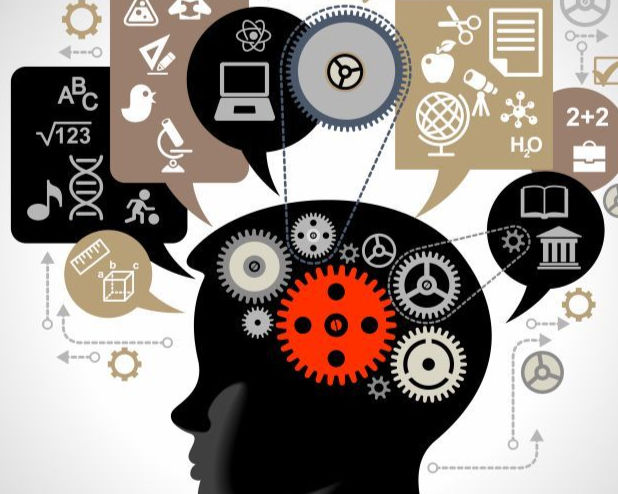
These are:
Short-term courses (from 3 to 12 months)
Focus on training and tools
Stress on specific job roles
Include internships and live project experience
Domains leading the change:
Finance and counting tools
Digital marketing
HR and operations
Data analytics
The employer only wants to know one thing.
“Can you do the work?”
These courses equip you with the skills to do these jobs.
The courses don’t replace degrees. They can turn learning into earning.
What Can Students Do to Change This?
If you are in school or college, change your strategy.
Think beyond degrees. Focus on what you can do.
Start learning skills. Develop skills alongside your studies.
Get real experience. Join internships or take up freelancing work.
Follow market trends. Know which skills are in demand.
Combine education and skills. This can offer you a stronger career advantage.
Practice skills while you study for your course.
Stay ahead of the competition. Get job-ready before you enter the rat race.
The rising unemployment makes one thing clear.
The traditional promise of education is no longer valid.
Rising graduate unemployment in India is not temporary.
It is a structural problem.
Degrees are increasing. Employability is not speeding up.
Employment demands have changed. A 4-year degree cannot teach you practical skills.
Without them, you can’t get the job done.
The future belongs to those who combine knowledge, skills, and practical experience.
For students, one thing is true.
A degree opens doors, but only skills help you enter the room.
Frequently Asked Questions (FAQs)
How can students check if a career path has good job demand?
Start by looking at job portals, industry reports, and hiring trends. If companies are consistently hiring for a role, it’s a good sign of demand.
Do internships really make a difference in getting hired?
Yes. Even a short internship shows you understand how real work happens. It often matters more than marks alone.
Is it better to specialise early or explore different fields first?
In most cases, exploring first helps. It gives clarity before committing to one path and reduces the risk of choosing the wrong field.
How important are soft skills in today’s job market?
Very important. Communication, teamwork, and problem-solving often decide who gets hired when candidates have similar qualifications.



Comments